

WEARABLE SENSORY TECHNOLOGY
Rebuilding the body’s sense of itself.
Every movement depends on knowing where the body is.
Sensaeon is developing a non-invasive wearable sensory device to investigate new ways of supporting touch and movement sensing in patients with conditions that have been resistant to existing treatments, where sensation or proprioceptive feedback has been disrupted,
Early stage technology in development and testing. Not yet available for clinical use.

Movement has an invisible layer.
Movement is more than muscles and joints. It depends on a continuous exchange of information between the body and brain; where a limb is, how it is moving, and what it is experiencing.
When that feedback is altered by limb loss, injury, instability, surgery, or neurological change, movement can become less intuitive, even when strength and mobility remain.
We're developing ways to give the body back this feedback.

01
Limb loss and prosthetic use
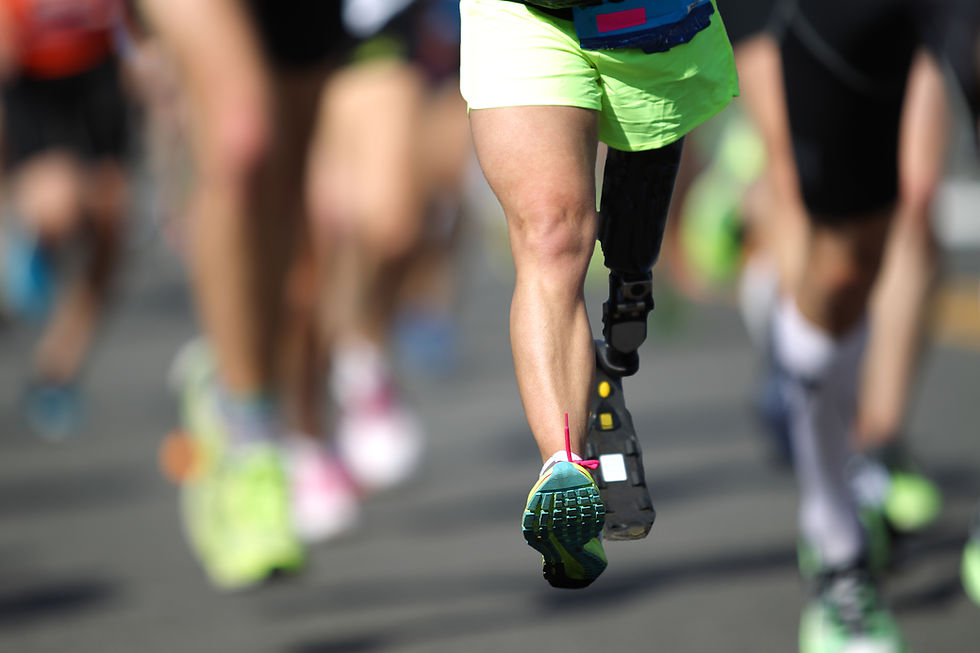
Exploring sensory augmentation for people adapting to limb loss, prosthetic movement, and experiencing phantom limb pain.

02
Joint instability and injury
Exploring feedback for people navigating joint hypermobility, ligament injury, postsurgical sensory changes, and reduced awareness of joint position.

03
Neurological rehabilitation
Exploring new sensory interfaces for people rebuilding body awareness following stroke or other neurological changes.

Awards and Affiliations
Awards we have been given, and partners helping to move us forward.
Kaylie Hardware Track Grand Prize Winner
Zahn Innovation Center 2026 Venture Incubator
NSF I-Corps Regional Program Participant
New York NSF I-Corps Hub Innovation Lean Bootcamp, Summer 2026
Who we’d love to hear from:
Sensaeon is shaped through customer discovery, interdisciplinary mentorship, early prototyping, and conversations with people whose needs are often left between existing categories of care.
Researchers
Explore collaborations across proprioception, somatosensation, neuroengineering, rehabilitation, and human movement.
People with lived experience
Help define what meaningful sensory support should feel like in everyday life.
Translational and regulatory partners
Help shape a rigorous path from early research toward responsible clinical evaluation.
Clinicians and rehabilitation specialists
Help identify unmet needs, practical workflows, and outcomes that matter beyond the laboratory.
